
 05/10/2026.- On its second day in Madrid, the 1st European Convention on Long-Term Care brought together experts from various countries around a shared consensus: Europe must stop reacting only after dependency occurs and move toward a model designed to prevent, delay, and better support it.
During the morning session, panels focused on healthcare, financing, and material resource innovation aligned on three major priorities: strengthening prevention, improving health and social care coordination, and transforming the current care framework into one that is more home-based, community-focused, and person-centered.
In the afternoon, discussions centered on two critical drivers for the future of long-term care in Europe: the availability and training of professionals and caregivers, and the integration of digital technology into health and social care.
The future of care: More prevention and less fragmentation
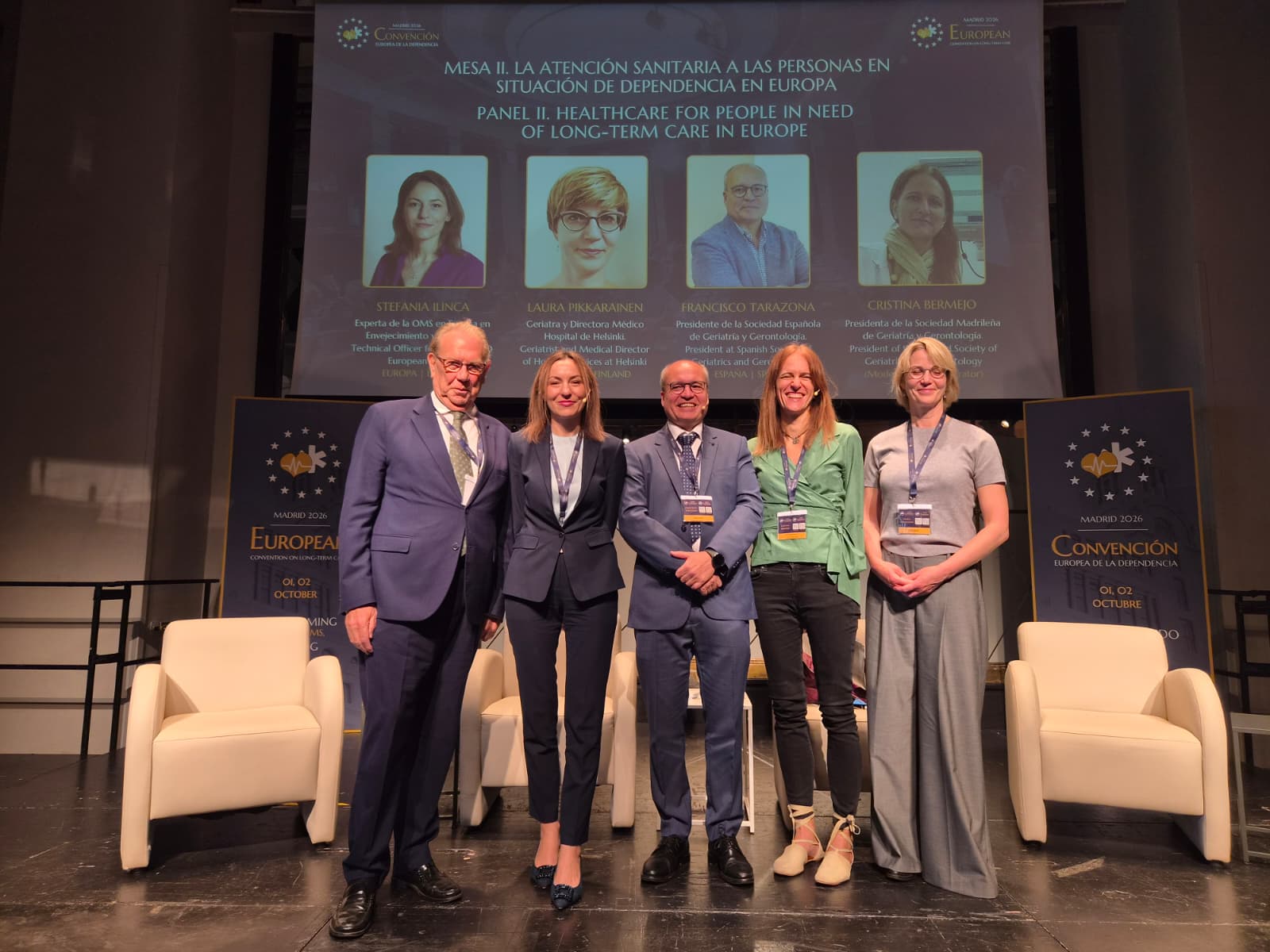
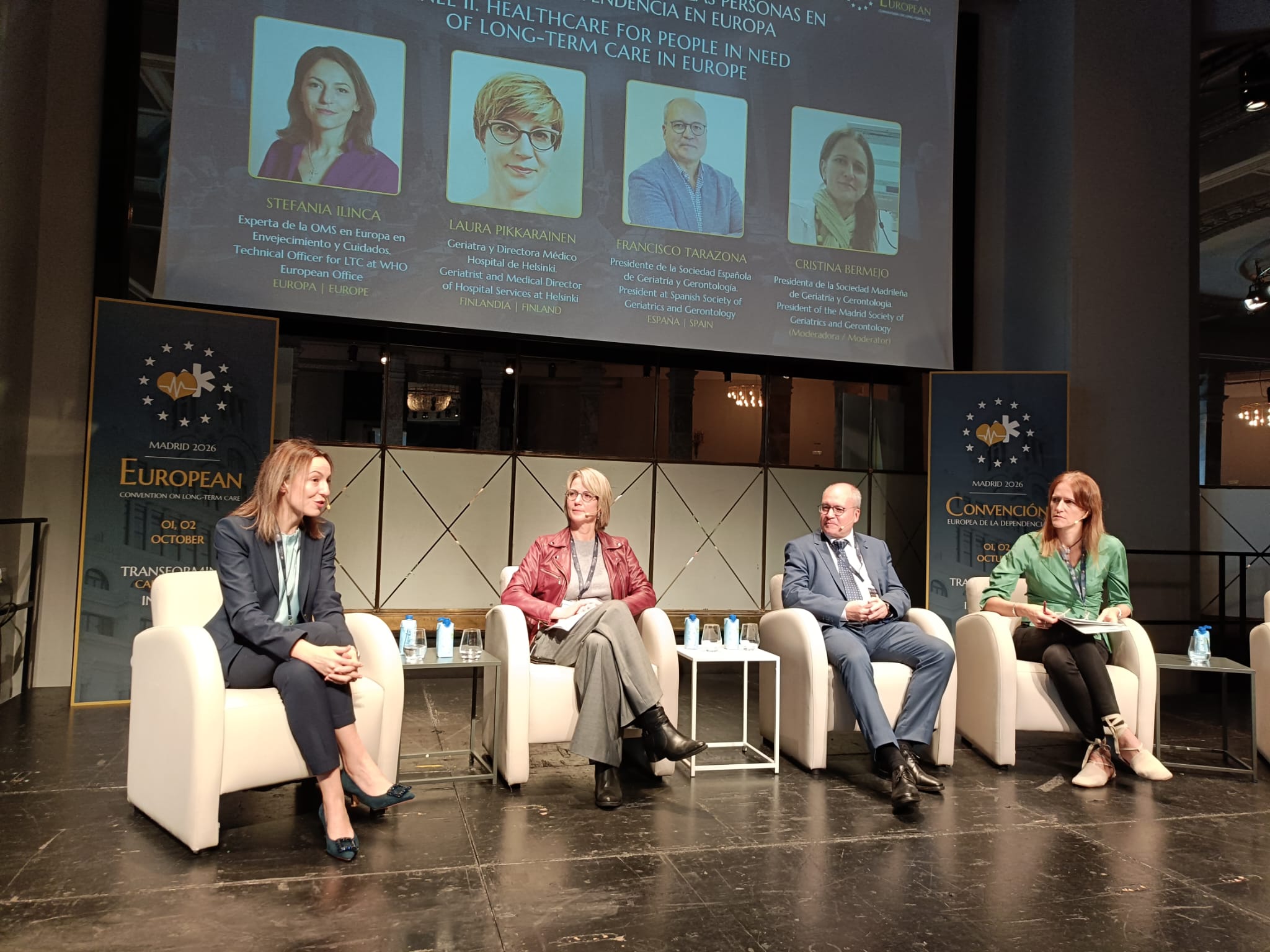
The panel agreed on the need to move toward a more preventive, integrated, and person-centered approach to care, reducing the fragmentation between healthcare and social services. Presentations focused on early detection, continuity of care, home and community-based care, and strengthening intermediate care.
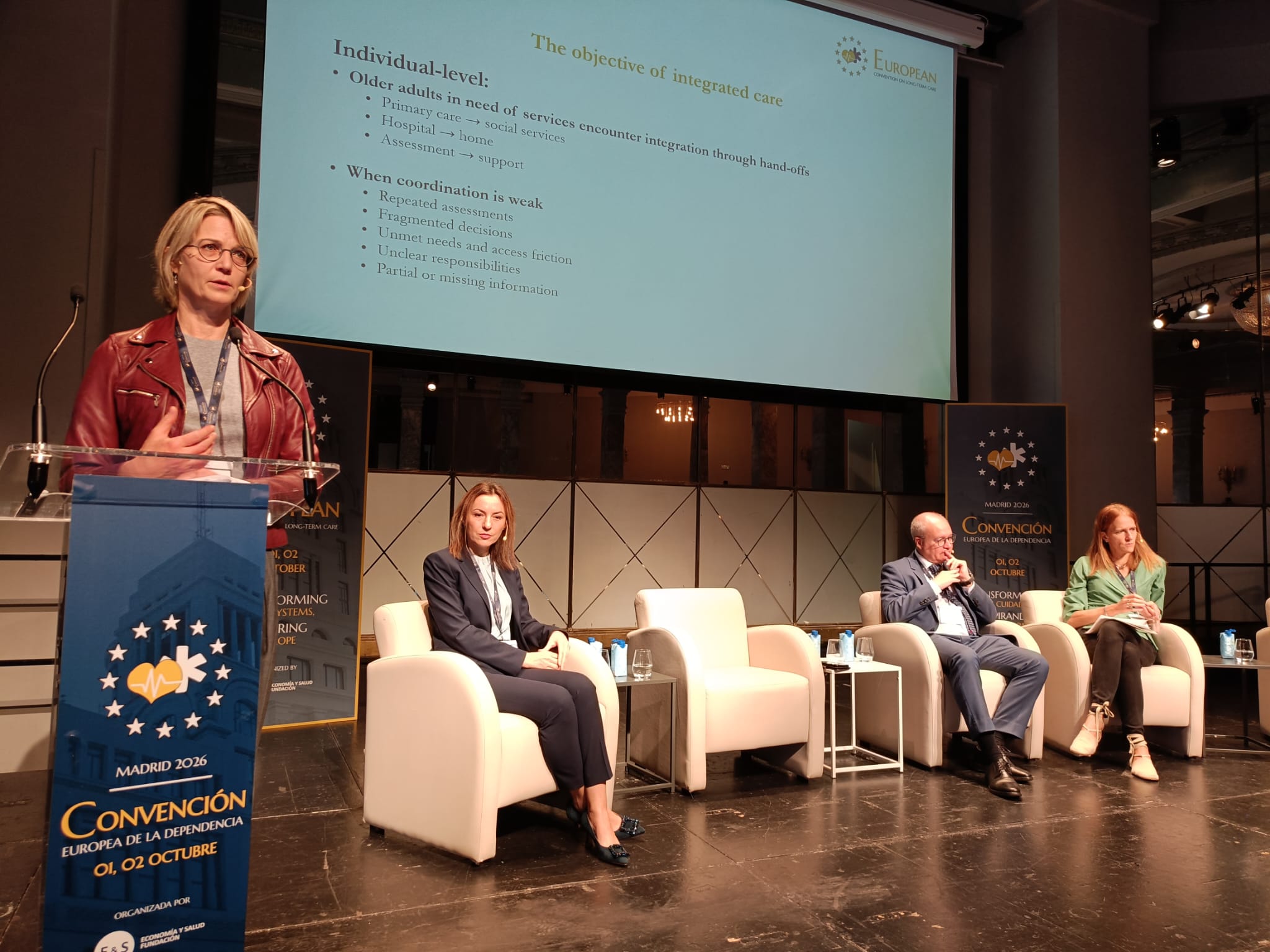
Stefania Ilinca, Technical Officer for Long-term Care at WHO Regional Office for Europe, proposed placing health promotion and prevention at the core of aging policies by reinforcing primary care, early detection of functional, cognitive, and mental decline, and community care for those at highest risk.
At the same time, she advocated for greater integration between healthcare and long-term care through person-centered pathways that connect prevention, treatment, rehabilitation, long-term care, and palliative care. Finally, she called for expanding home and community care, leveraging appropriate technologies, and improving training, working conditions, and support for both professional and informal caregivers.
From Finland, Laura Pikkarainen, Medical Director of Hospital Services in Helsinki, advocated for genuine integration between health and social services based on a single shared care plan, a clearly designated care coordinator, and close monitoring of transitions between levels of care. She also proposed jointly measuring quality and equity—taking into account access, unmet needs, family burden, and regional disparities—and warned that improving continuity of care must prevent unmet needs from falling on families.
For his part, Francisco José Tarazona, President of the Spanish Society of Geriatrics and Gerontology (SEGG), defended strengthening hospital-at-home, rehabilitation, and intermediate care as a bridge between the hospital and the home to facilitate safe discharges, recover functional capacity, and preserve autonomy. He also proposed harmonizing the definitions and indicators for these resources across Europe, ensuring data interoperability between healthcare and social services, and guaranteeing equitable access.
Financing better and measuring outcomes
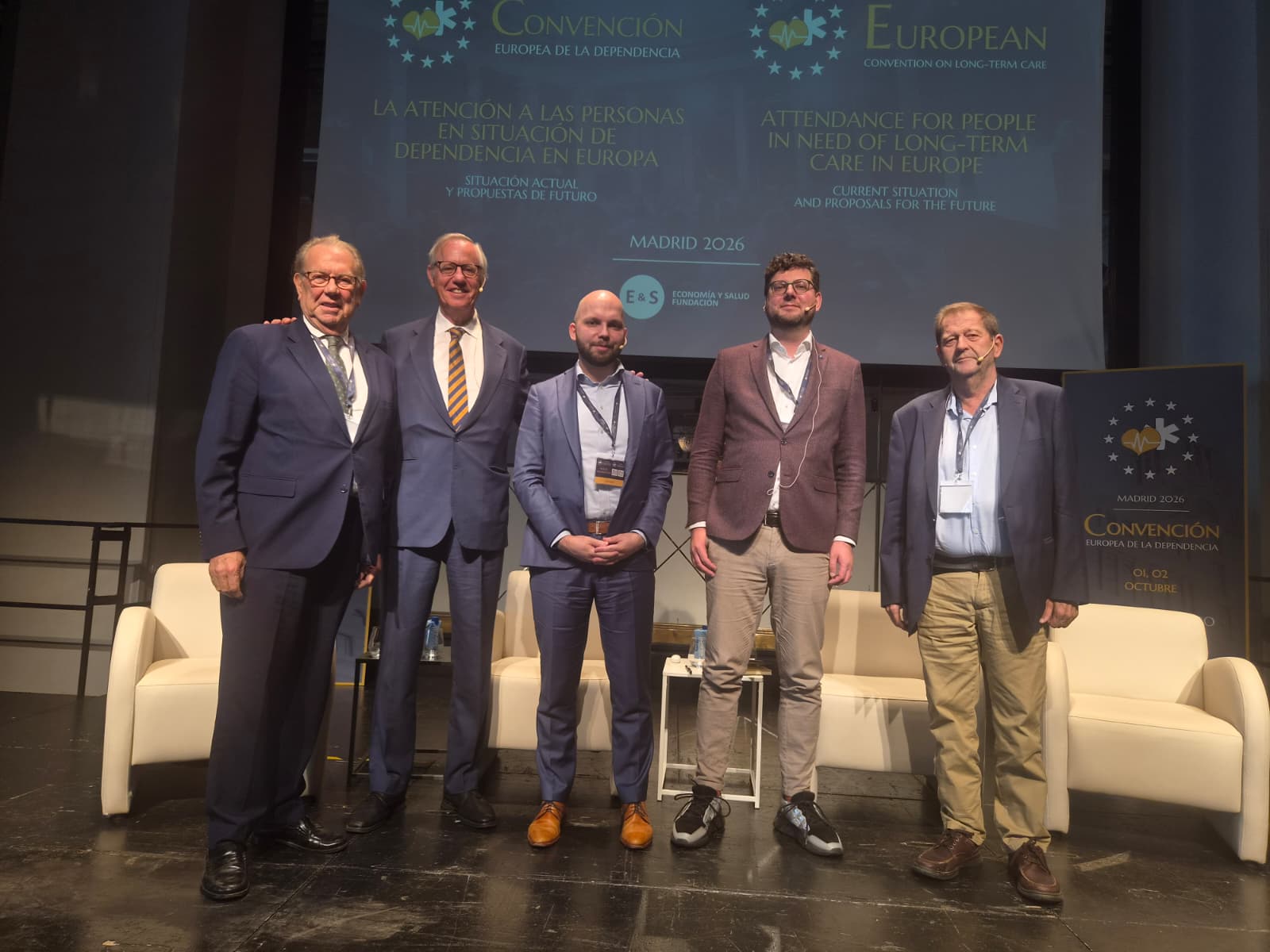
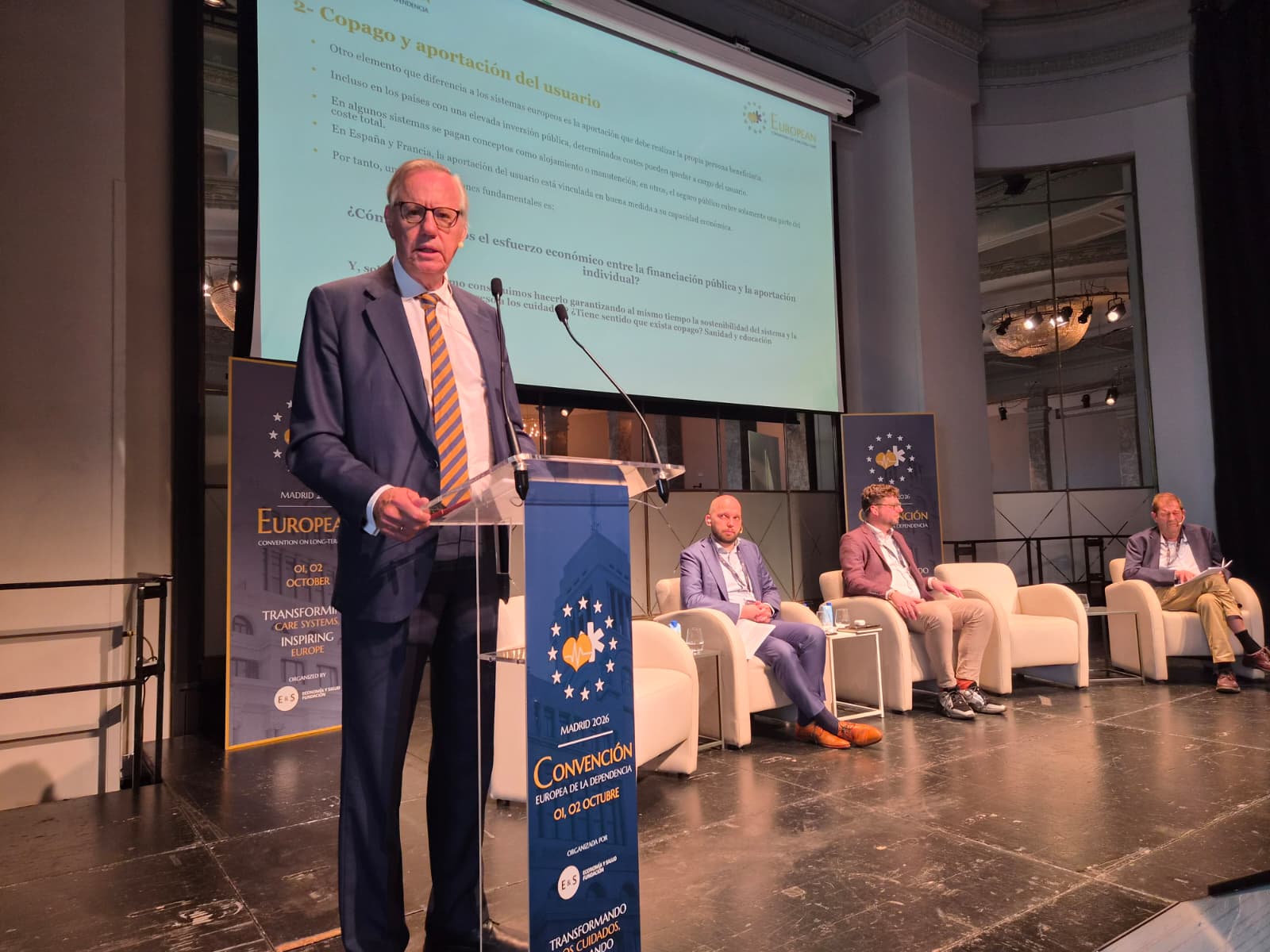
The panel on financing and taxation focused on revising copayment systems, reducing tax discrepancies between equivalent services, better aligning resources with individual needs, and evaluating care based on its social impact rather than solely on its healthcare cost.
Ignacio Fernández-Cid, President of FED (Spanish Federation of Assisted Living and Elderly Care Companies), argued that public benefits should adjust to the intensity of individual needs and that the system must advance toward professional, traceable, and outcome-evaluated services, reserving financial benefits for family care as an exceptional measure. On tax matters, he called for eliminating the existing disparity between equivalent services—which are currently taxed at either a 4% or 10% VAT rate—and proposed applying a uniform reduced rate of 4% to all accredited care services.
From Germany, Pascal Tschörtner, Managing Director of bpa (Federal Association of Private Providers of Social Services), proposed guaranteeing access to and freedom of choice regarding care options, ensuring that copayments do not create barriers; driving quality, efficiency, and innovation through fair competition among providers; securing stable financing; and cutting red tape.
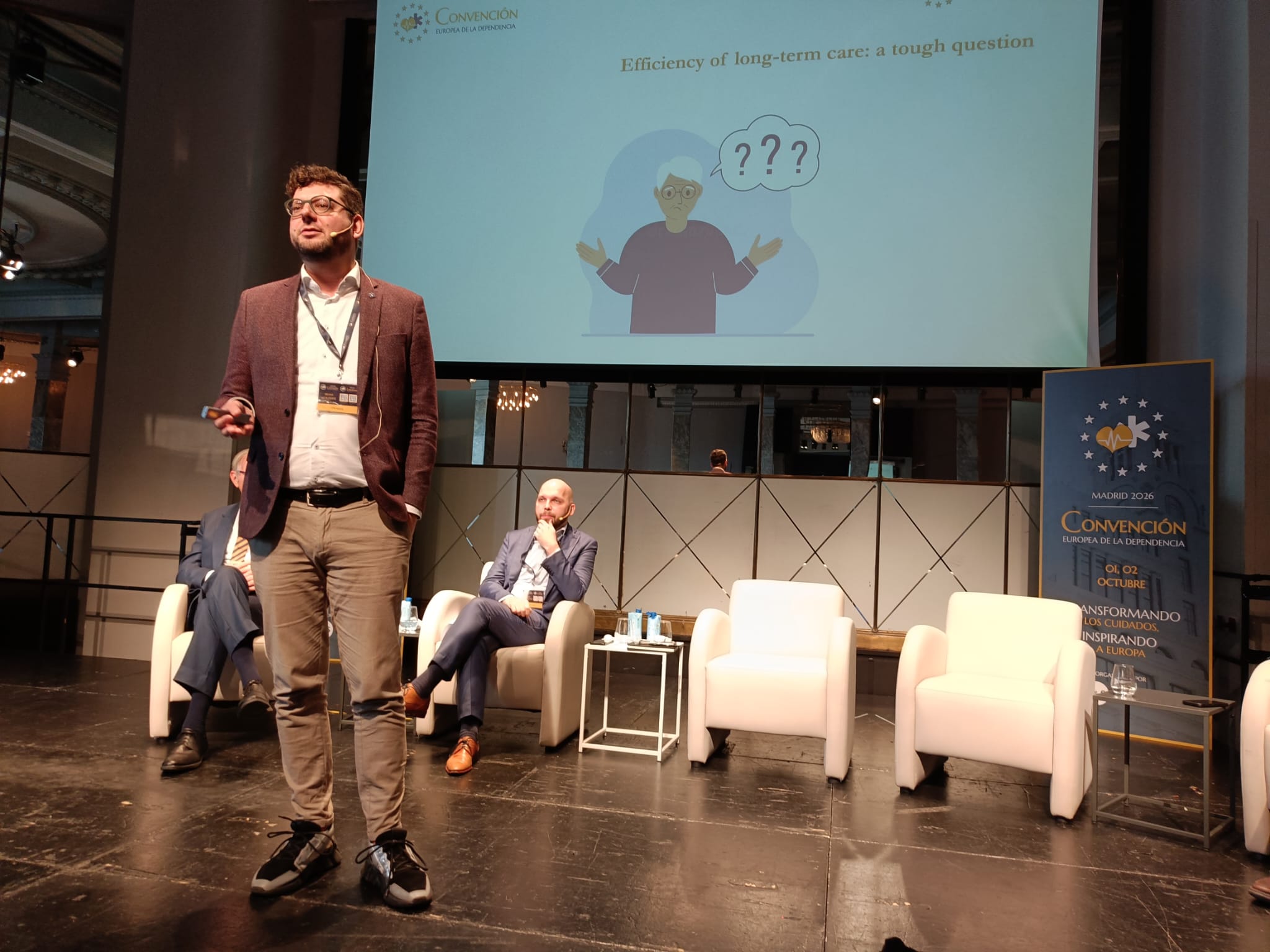
Bram Wouterse, a health economist at Radboud University Medical Center, suggested that long-term care financing should not be measured merely by its cost to the healthcare system, but rather by its cost-benefit ratio for society as a whole. Among his proposals, he advocated for expanding home-based social services, adjusting access according to each individual’s needs and financial capacity, and, above all, measuring care outcomes to identify which models generate the highest well-being while reducing other economic and social burdens.
From the nursing home to the community: Innovation in resources
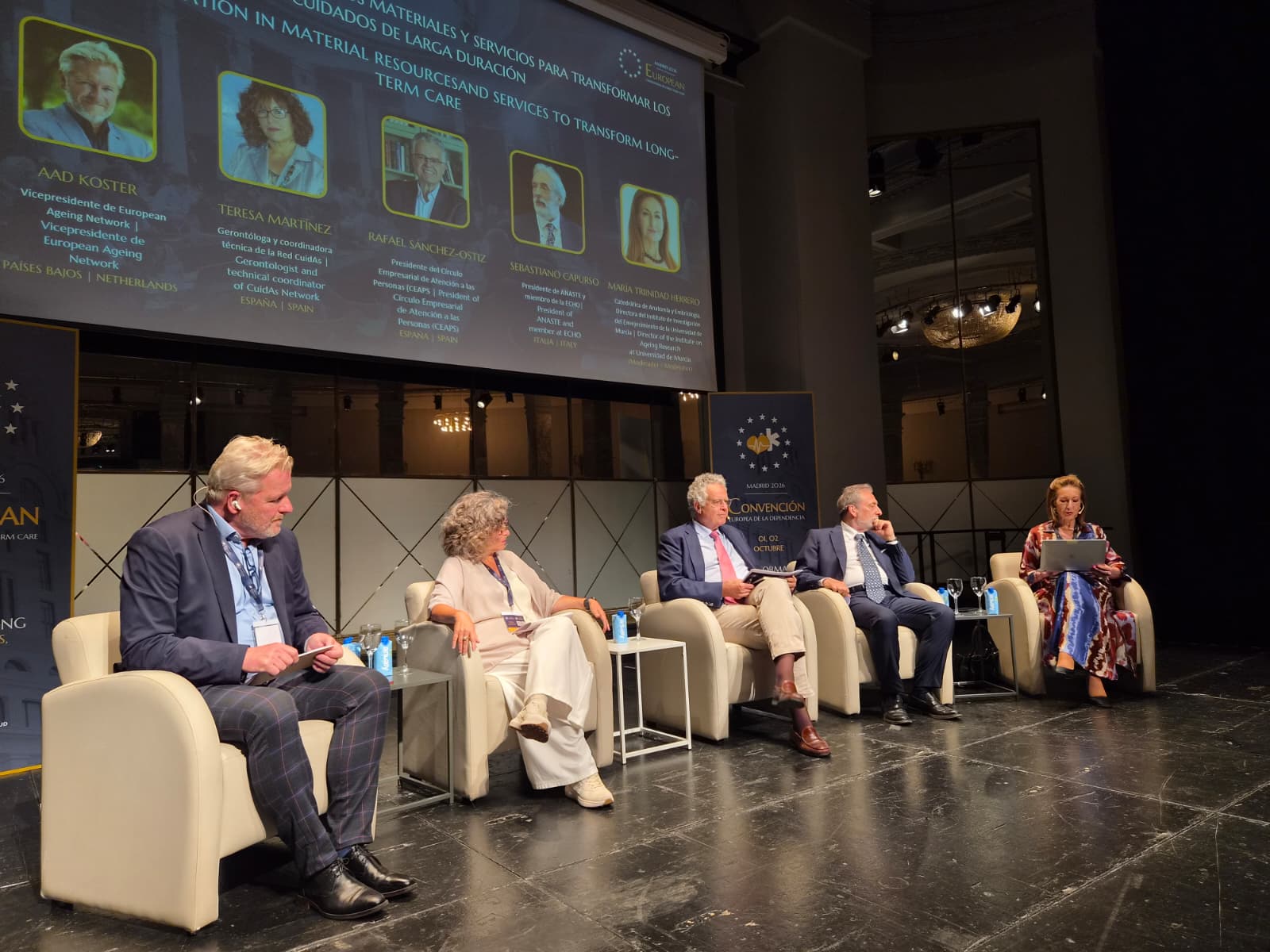
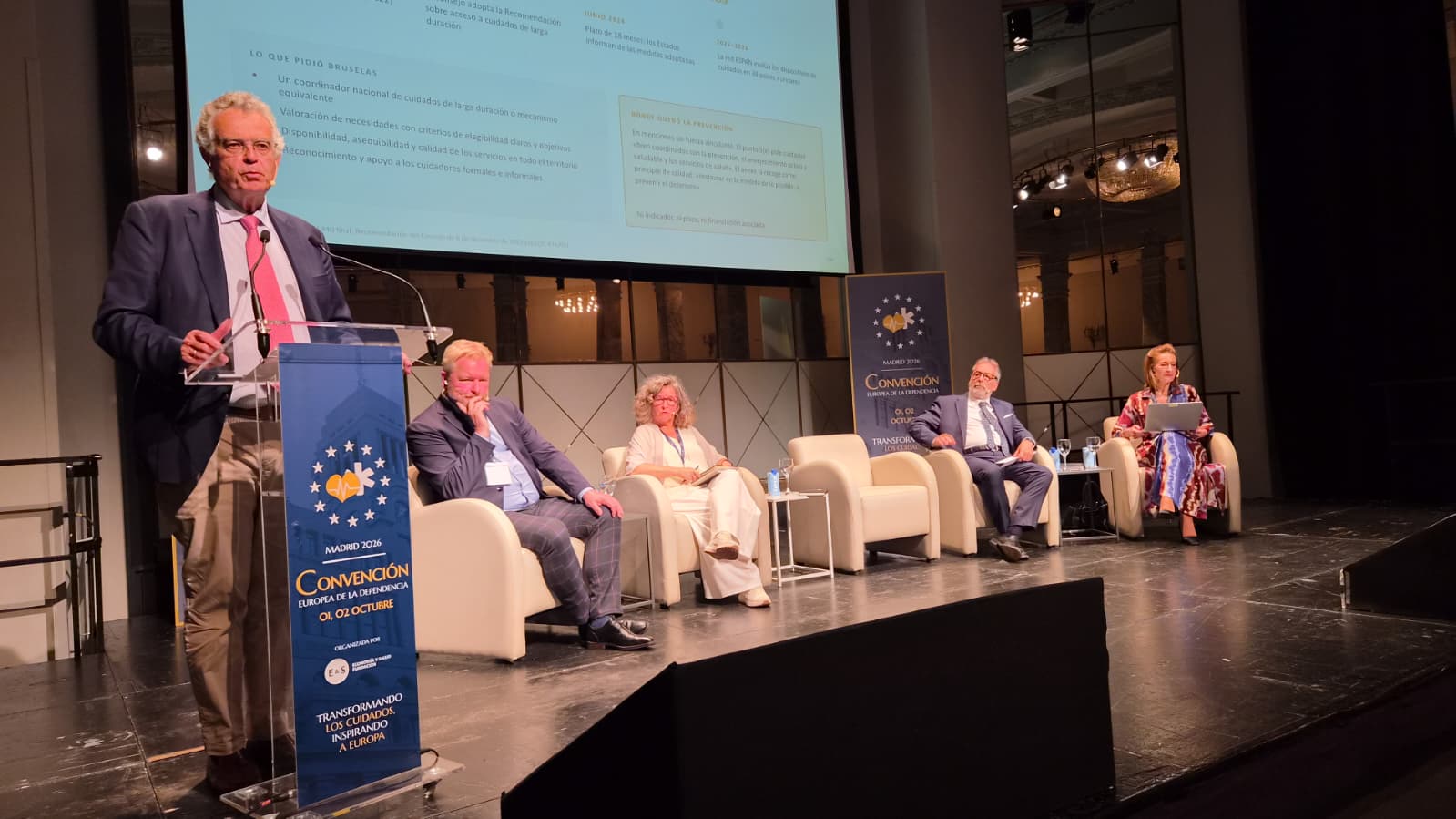
The panel focused on transforming care resources and services to bring them closer to people’s daily lives, through increased community support, home care, and new residential models.
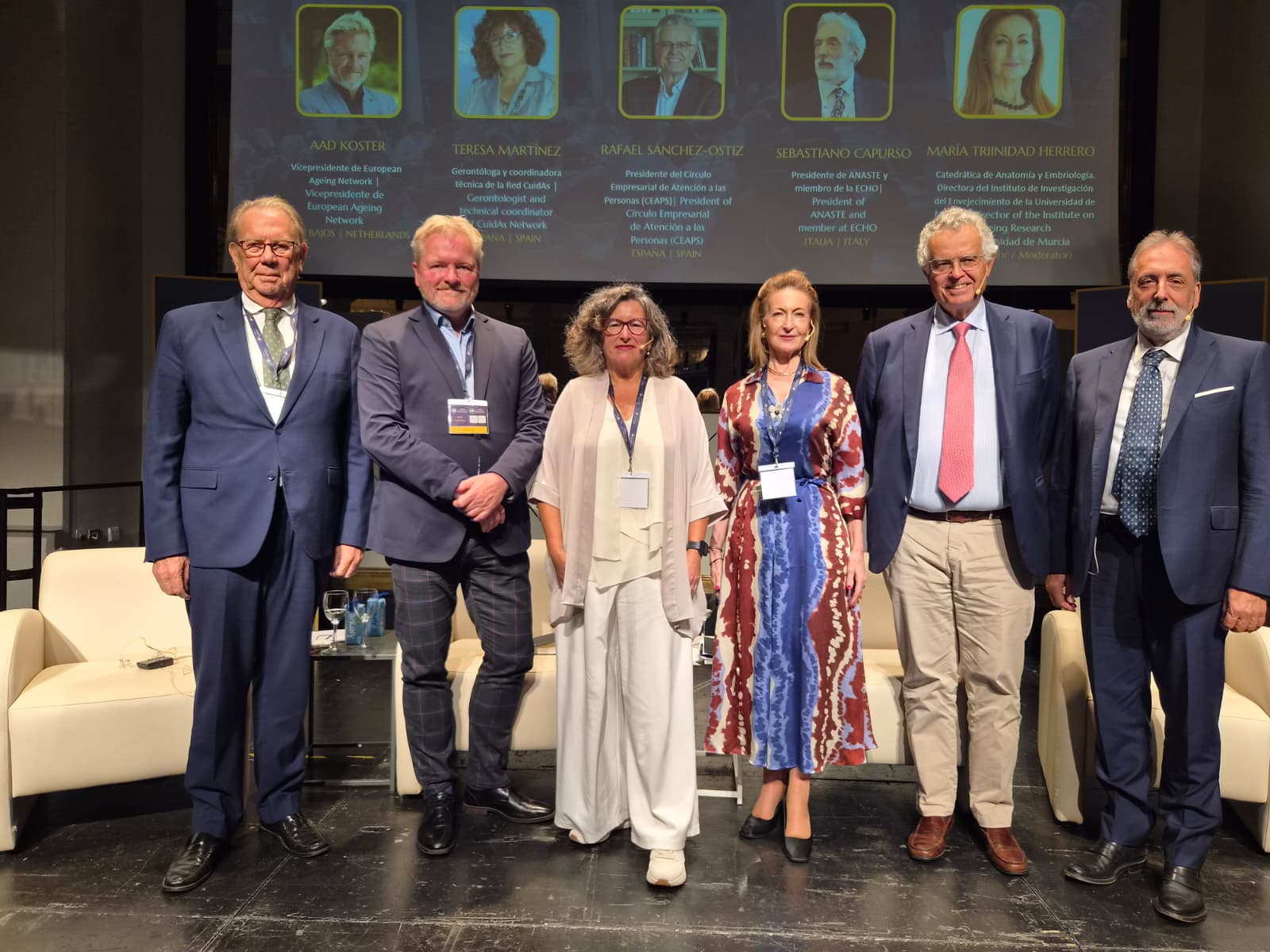
Aad Koster, Vice President of the European Ageing Network, advocated for a transition—rather than a simple improvement of the current model—from care provided primarily in institutional settings toward integrated community-based support. He proposed placing the individual and their family and social network at the center, prioritizing quality of life, incorporating prevention and social supports into services, adapting environments to individual needs, and transforming long-term care organizations into active members of local networks.
Teresa Martínez Rodríguez, Technical Coordinator of the CuidAs Network, argued that care transformation should not be limited to changes in spaces or methodologies, but must translate into tangible improvements in quality of life. Among her proposals, she raised the need to develop sufficient, coordinated, diverse, and affordable community resources; move toward flatter organizational structures and stable teams; strengthen professional staffing and training; and evaluate services based on both their processes and their outcomes for individuals. She also called for sustained funding that enables model transformation rather than merely expanding existing frameworks.
Rafael Sánchez-Ostiz, President of CEAPS, proposed strengthening prevention-oriented services, with an emphasis on home care and functional rehabilitation. He suggested establishing a European minimum standard for home care and making functional rehabilitation a preliminary, mandatory benefit, as well as incorporating a shared clinical assessment and functional goals into care plans.
Finally, Sebastiano Capurso, President of ANASTE, proposed promoting new residential and housing models for older adults across Europe, supporting the transformation of nursing homes into more open setups, and encouraging initiatives such as cohousing and dementia villages. He also called for strengthening the European recognition of professional qualifications and ensuring that the integration of technology is accompanied by sufficient time for human care.
More professionals, better working conditions, and support for caregivers
The panel on professional profiles and leadership in long-term care analyzed how to meet a growing demand for care with a workforce that is not increasing at the same pace.
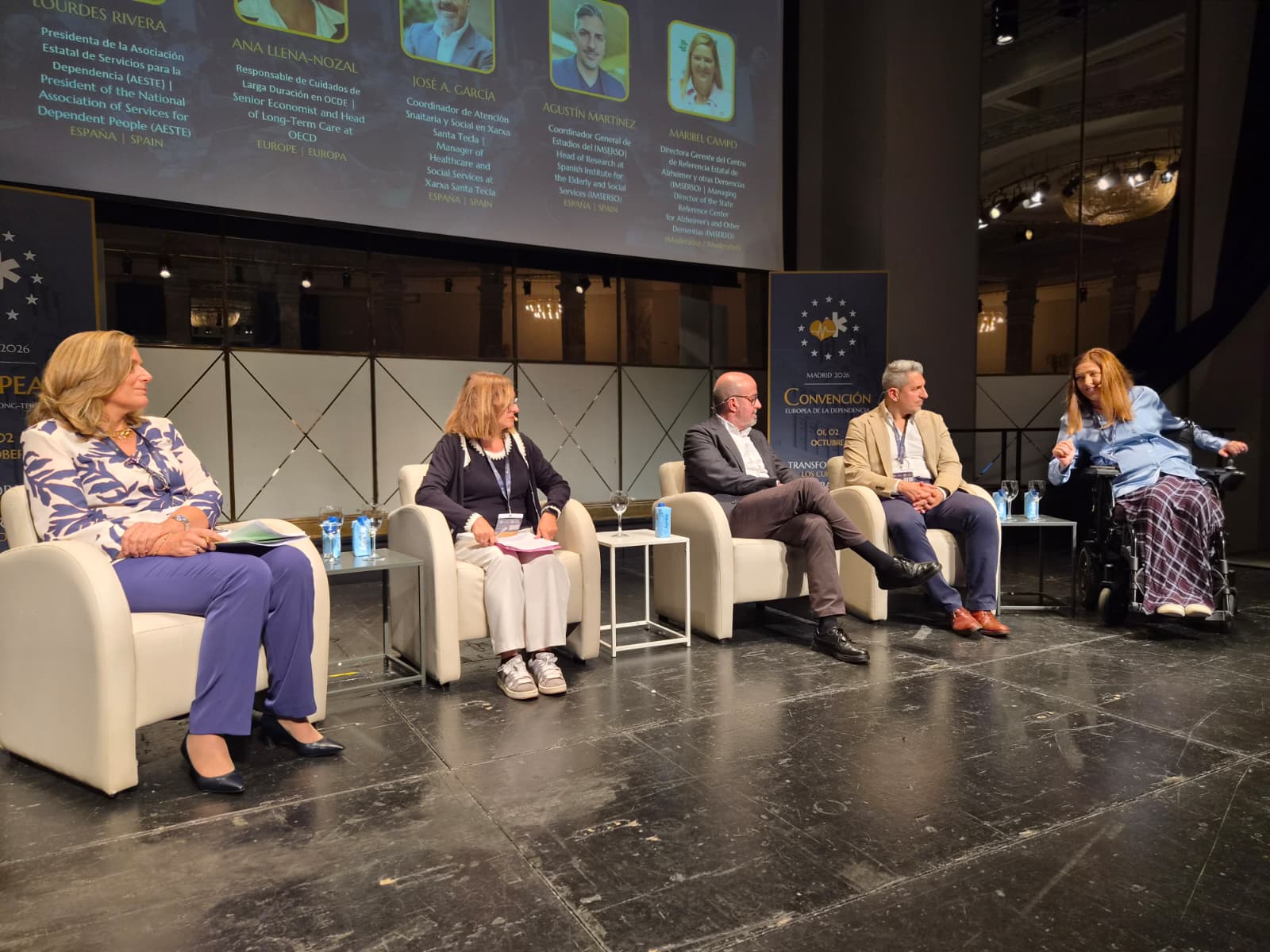
Lourdes Rivera, President of AESTE, proposed increasing the visibility and value of the sector, facilitating the entry of new professionals through paid training and career pathways, recognizing experience and offering career progression to improve retention, and developing international talent acquisition accompanied by integration measures. In addition, she called for a major pact to guarantee the effective right to quality care, sufficient, stable, and predictable funding, a European strategy for care professionals, and the recognition of care as essential economic and social infrastructure.
Ana Llena-Nozal, Head of Long-Term Care at the OECD, advocated for the need to improve working conditions to retain professionals through better pay, greater safety, and increased flexibility in work organization. She also supported using technology to reduce administrative burdens, strengthening coordination between health and social services, and facilitating transitions from hospitals. Furthermore, she highlighted the importance of providing more career development opportunities through ongoing training and the recognition of prior experience.
José Augusto García-Navarro, Healthcare and Social Care Manager at Xarxa Santa Tecla, structured his proposals around four pillars: creating a Caregiver Statute that recognizes rights and protection against poverty; guaranteeing paid leave, work flexibility, and pension contributions; expanding respite services and training in dementia, dependency, and self-care; and formally integrating informal caregivers into primary care and social services teams.
Agustín Martínez Molina, General Studies Coordinator at IMSERSO, emphasized that caregiving has a significant impact on caregivers’ health and that training can reduce depression, anxiety, and caregiver burden. He further stressed that providing information alone is not enough: interventions that include psychotherapeutic or mindfulness components yield better results than those focused solely on imparting knowledge. He also noted that training can improve outcomes for the care recipient—such as reducing hospital readmissions or delaying nursing home placement—and generate cost savings, though not in all cases.

Digitalizing to anticipate, coordinate, and provide continuity of care
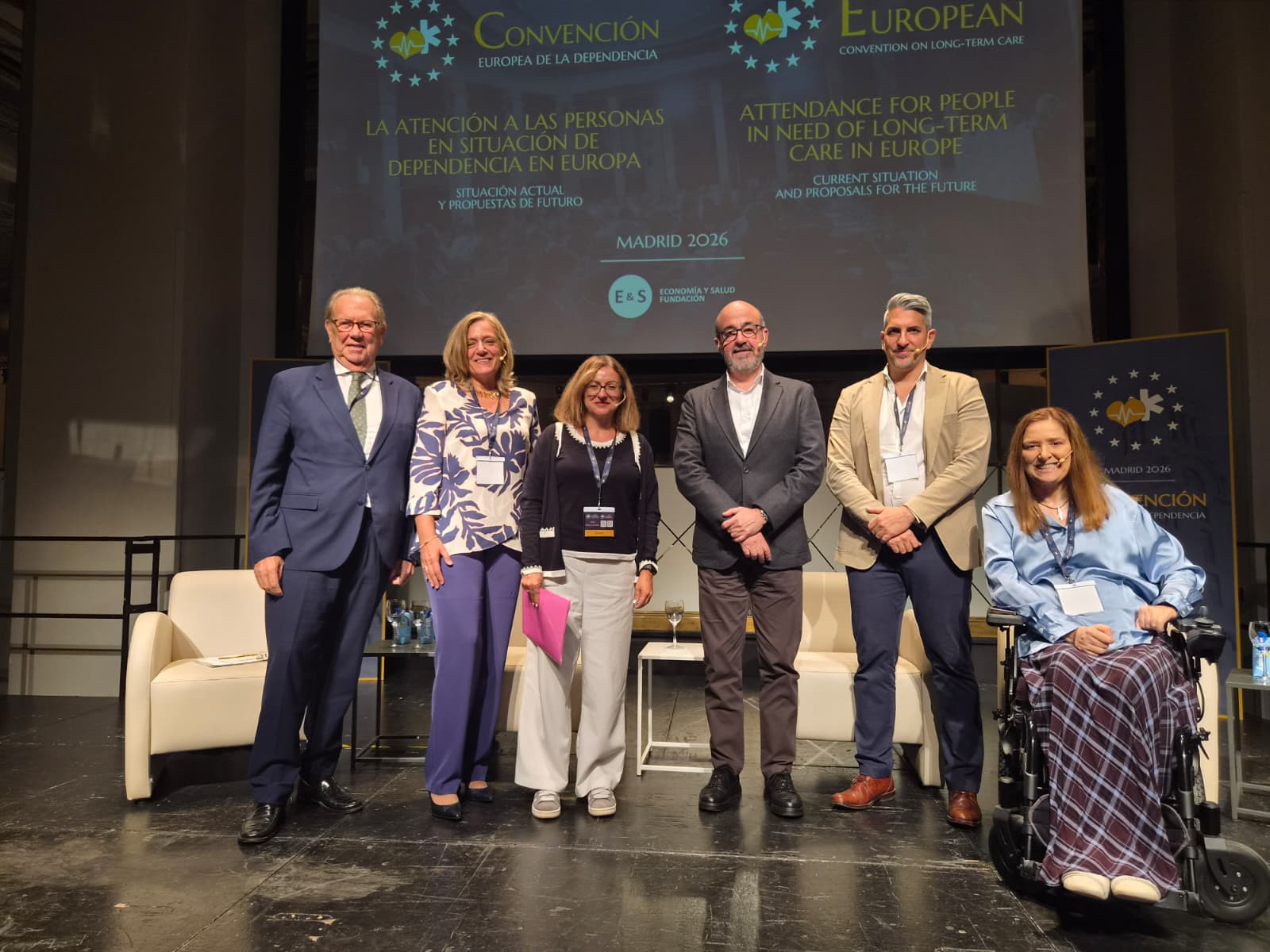
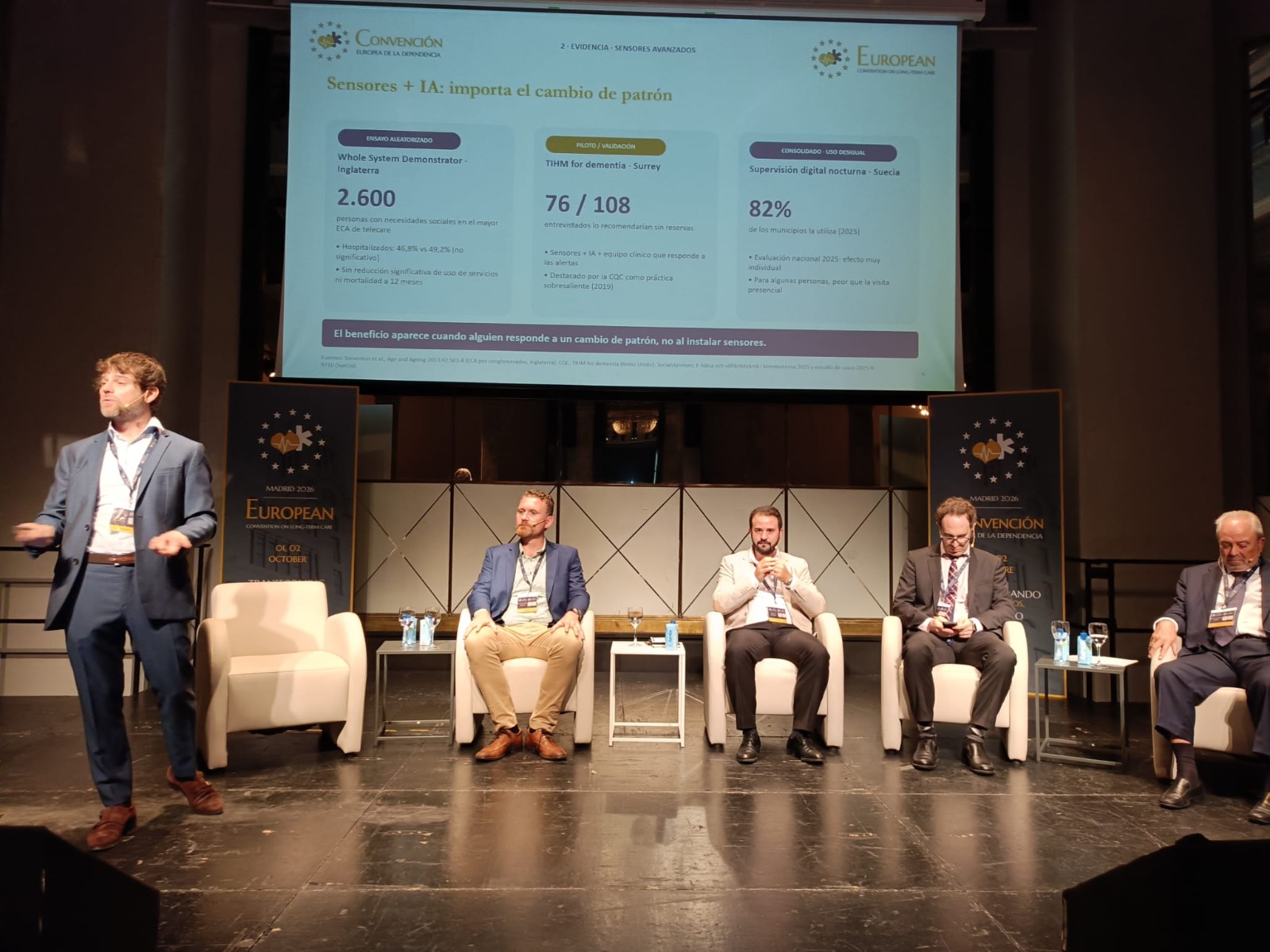
Panel VI agreed that digitalization must help anticipate risks and better connect healthcare and social care, accompanying individuals throughout their entire care journey. The debate focused on ensuring that these digital solutions are useful, sustainable, and secure, and that they are evaluated based on their real impact on care delivery.
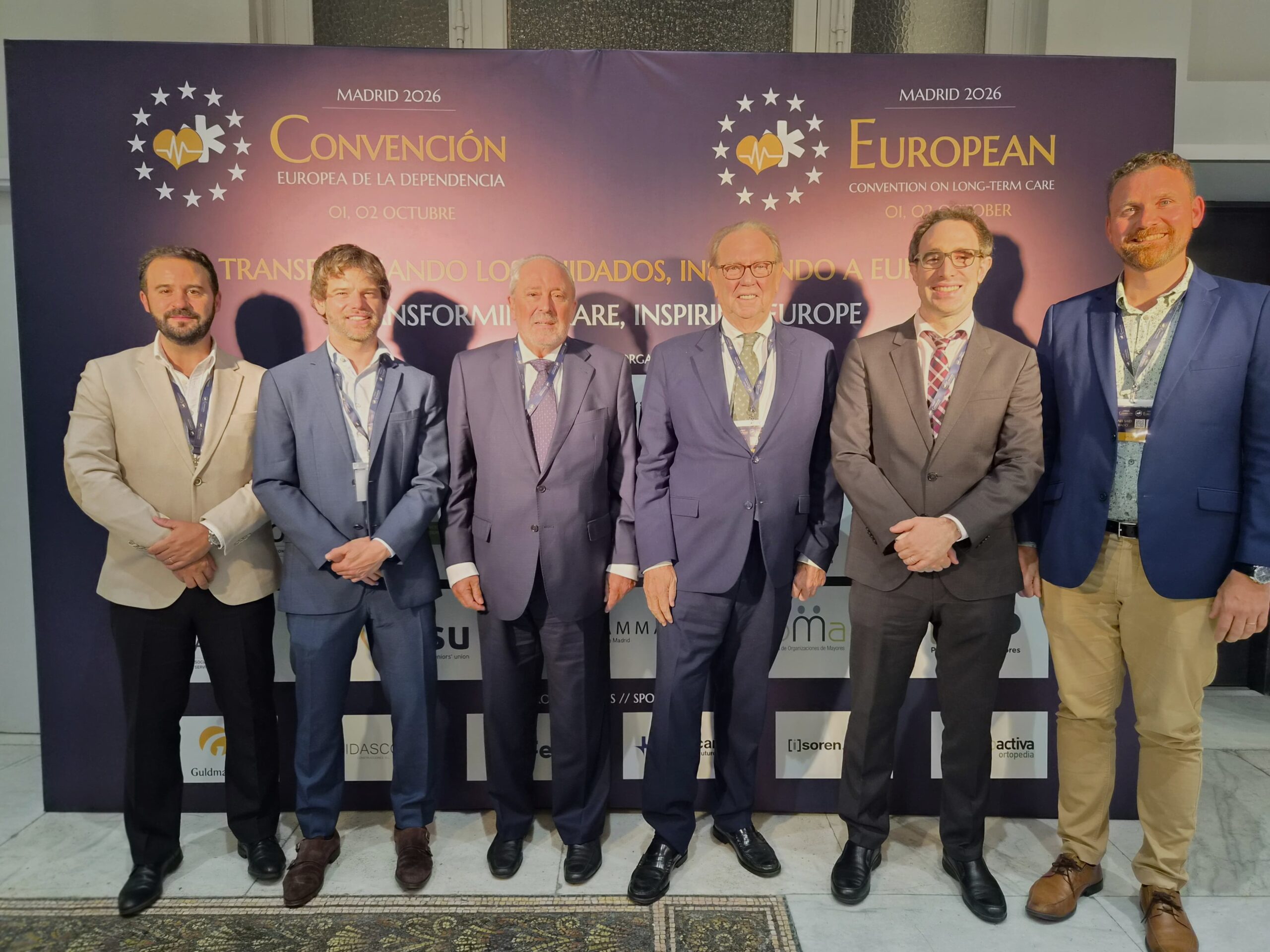
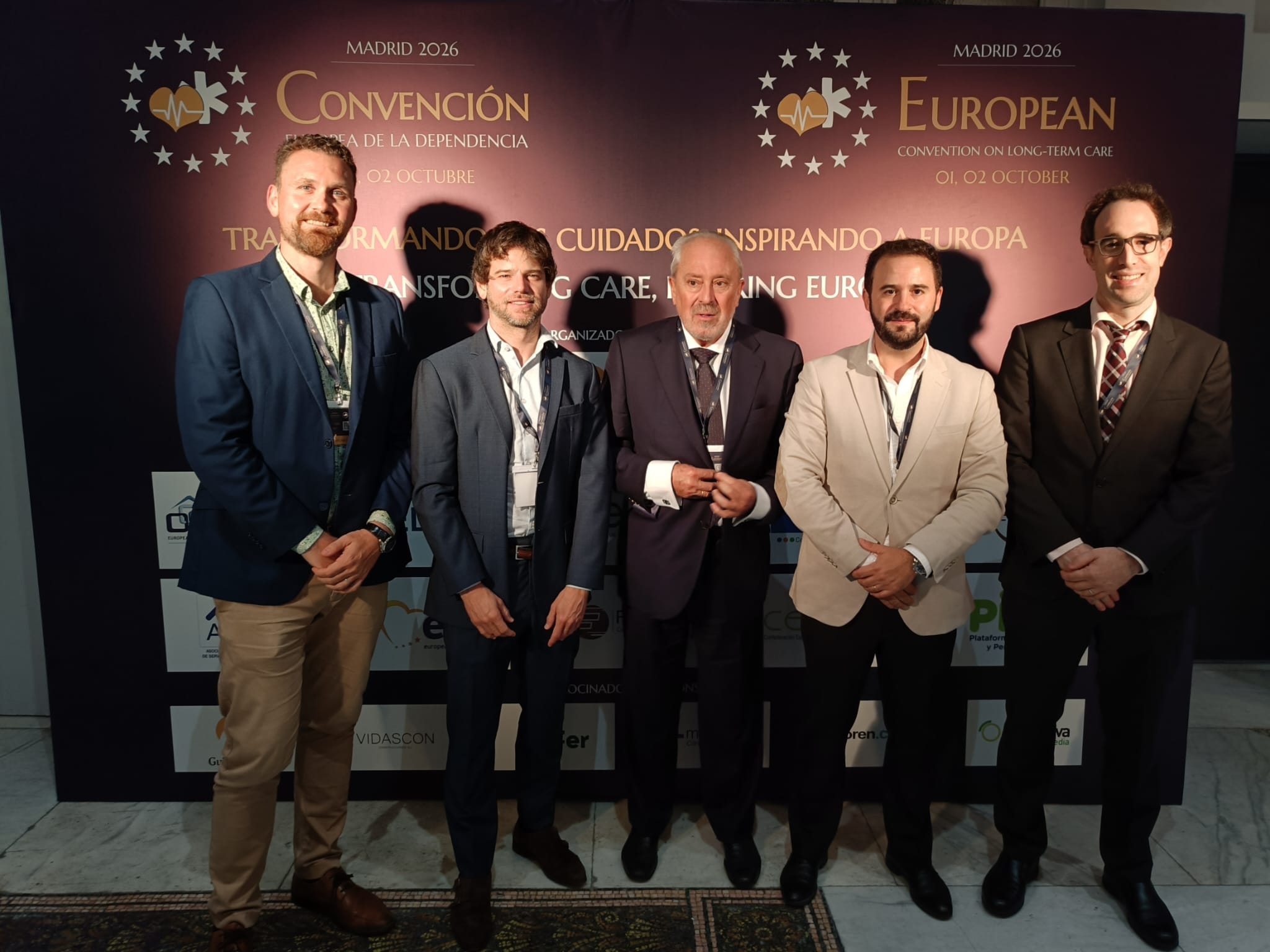
Ignacio H. Medrano, neurologist and artificial intelligence expert, proposed strengthening care connectivity and advancing toward telecare capable of detecting risks earlier by combining home sensors with health information and dependency data. He also advocated evaluating these solutions based on their outcomes—such as whether they help reduce falls, avoidable hospitalizations, or institutionalization—and ensuring that their funding covers not only devices, but also training, workflow design, and professional response. Finally, he suggested creating common European indicators to enable cross-country comparisons.
Ismael Said Criado, internist and member of European Federation of Internal Medicine, proposed redesigning governance models and workflows rather than limiting transformation to adopting new software. He also suggested replacing short-term pilot projects with stable funding streams, preserving the human element in end-of-life care, and ensuring that healthcare and social care professionals can access and update necessary information to reduce fragmentation between both systems.
Ignacio Gamboa, President of ASADE, argued that assistive technology should be permanently integrated into care benefits, accompanying the individual whether at home, in a day center, in a nursing home, or in a hospital. He also called for funding to cover devices, connectivity, training, maintenance, and professional response, for evaluations based on shared metrics of usage, outcomes, and equity, and for data exchanges to be secure, traceable, and respectful of individual choices.
Félix García-Giralda, Senior Health Advisor at the Danish Embassy in Spain, focused his presentation on the governance of digitalization and the need for information to follow the individual as they transition between services, professionals, or territories. He noted that data sharing alone is not enough to integrate healthcare and social services—coordinating responsibilities and regulations is also essential. Additionally, he emphasized privacy, autonomy, cybersecurity, inclusion, and human oversight of artificial intelligence, as well as evaluating digitalization based on its impact on health outcomes, user experience, equity, and care quality.
A common agenda for Europe
The challenge, according to the proposals presented, is not simply having more workers or more technology, but building a system where professionals have better working conditions and skills, and where digital tools are integrated into services to help improve autonomy, quality of life, and continuity of care.
The convention outlines a clear roadmap: prevent earlier, better integrate health and social services, strengthen home and community care, professionalize the sector, fund it with stable rules, and measure outcomes in terms of autonomy, well-being, and quality of life.
The debate on long-term care thus shifts from focusing solely on how much it costs to address dependency to a broader question: how to ensure it appears later, lasts for a shorter duration, and has less of an impact on the autonomy of individuals and their families.